Why Privacy Matters in Modern Matchmaking
Finding a life partner requires sharing personal information. Matrimonial profiles may include photographs, educational qualifications, employment details, family backgrounds, income ranges, and contact information.
While these details help prospective partners evaluate compatibility, inappropriate disclosure can expose individuals to impersonation, unwanted communication, identity theft, or misuse of photographs.
Responsible matrimonial platforms should therefore treat privacy as an essential part of their services rather than an optional feature.
India's Digital Personal Data Protection Act, 2023, and the DPDP Rules, 2025, establish an evolving framework for responsible personal data processing, including consent, transparency, security, and accountability. Implementation is phased.
Understanding these principles helps individuals choose safer matrimonial services.
1. Collect Only Necessary Personal Information
A responsible matrimonial platform should request information genuinely required for registration, compatibility assessment, and matchmaking.
Basic information may include age, education, profession, city, marital status, and partner preferences.
Highly sensitive details, such as identity documents, exact residential addresses, financial records, or private family information, should not automatically become publicly visible.
Data minimisation reduces unnecessary exposure and helps limit potential harm if information is compromised.
2. Give Users Control Over Profile Visibility
Not every matrimonial member wants their profile displayed publicly.
Responsible services can offer visibility options such as public, registered-members-only, restricted, or private profiles.
Some may allow individuals to approve requests before detailed biodata is shared.
Users should understand who can view their information and whether profiles are discoverable through search engines.
Privacy settings should be clearly explained, accessible, and easy to modify.
3. Protect Matrimonial Photographs
Photographs are among the most personally identifiable elements of a matrimonial profile.
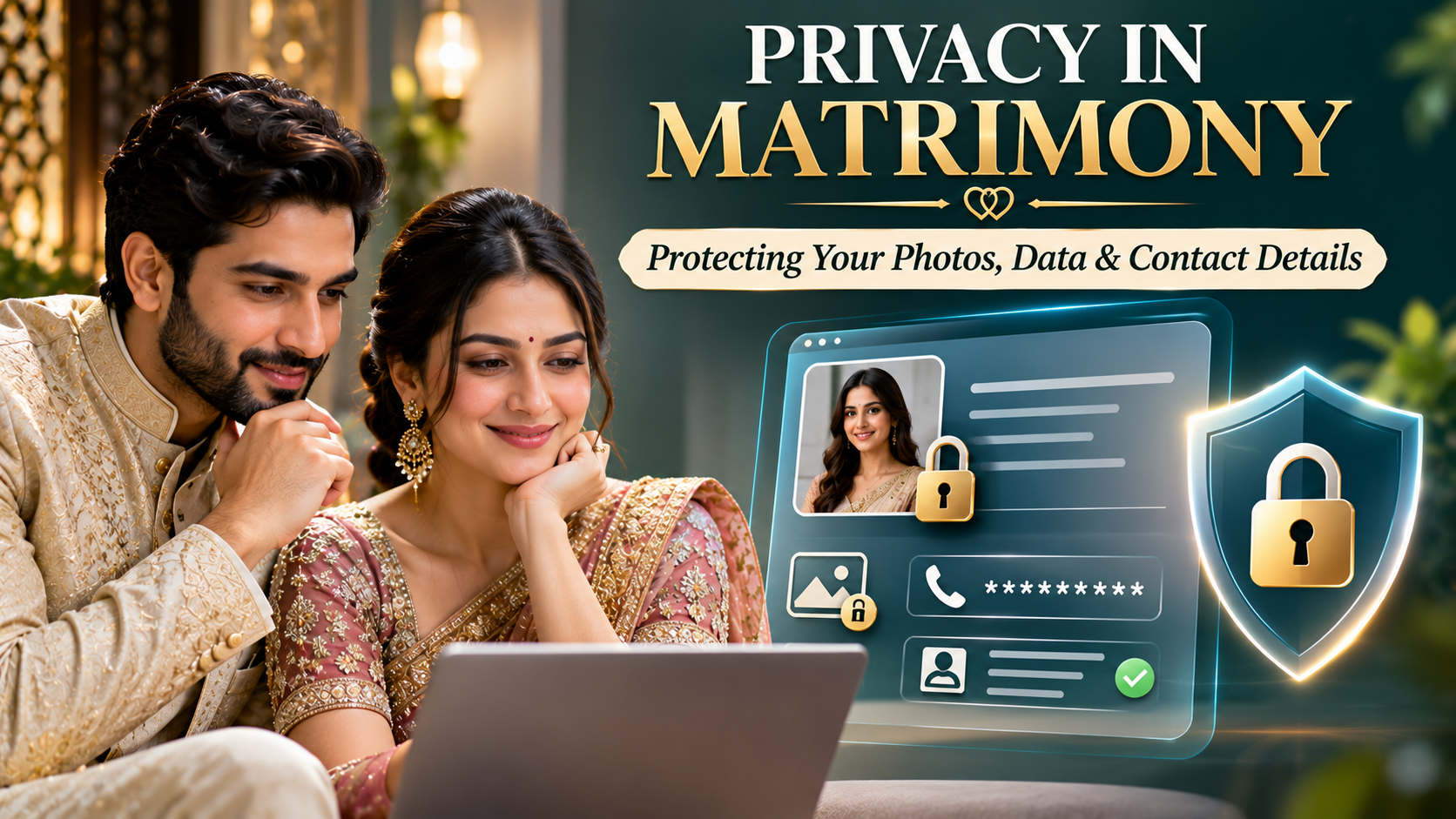
Responsible platforms may offer restricted photo access, private albums, blurred previews, and permission-based viewing.
Watermarks can discourage casual copying but cannot completely prevent screenshots or misuse.
Platforms should also consider removing unnecessary image metadata and preventing unauthorised public indexing.
An important privacy principle is that uploading a photograph should not automatically mean consenting to unlimited redistribution.
4. Keep Phone Numbers and Email Addresses Confidential
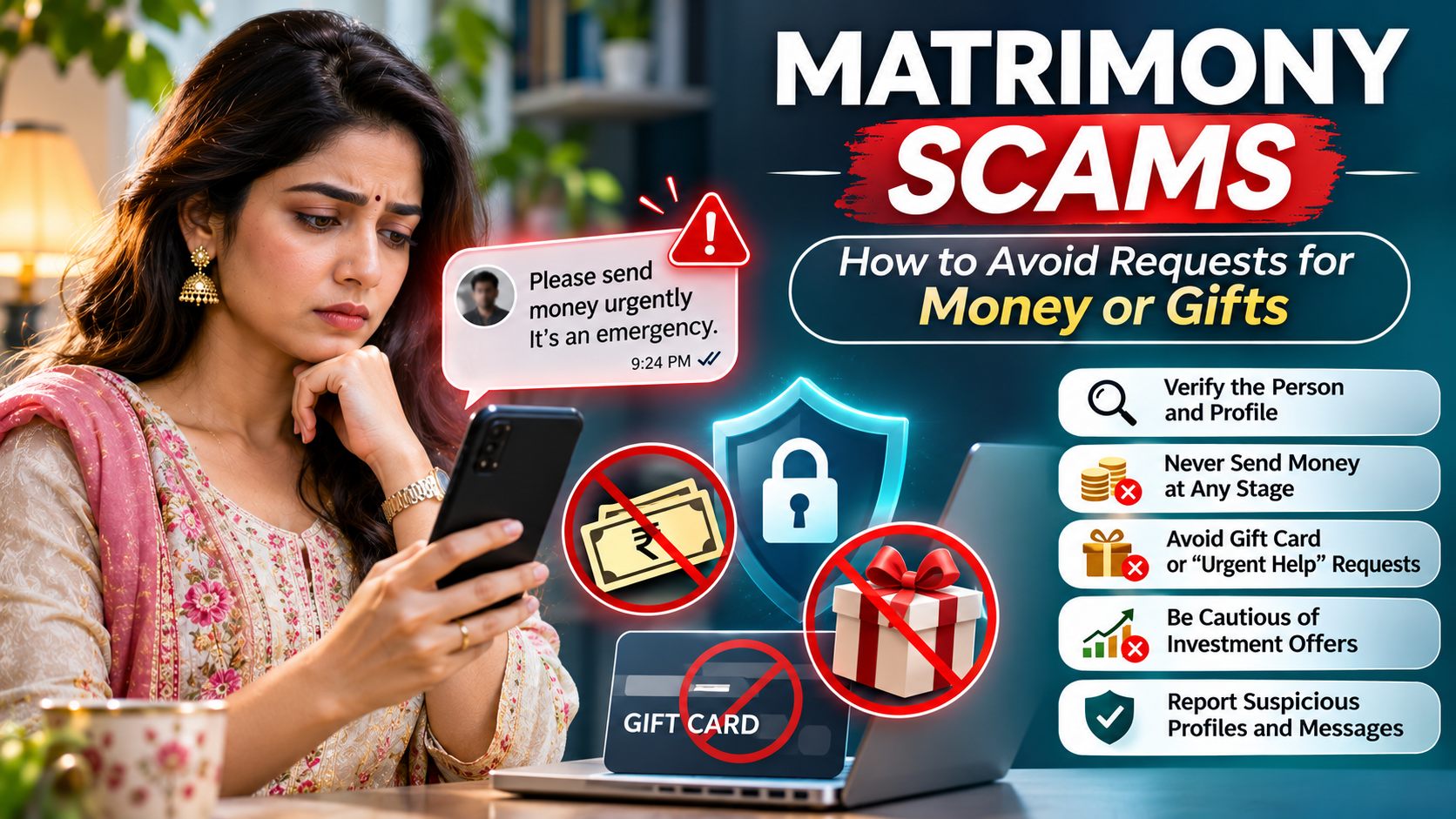
Unrestricted contact details can expose matrimonial users to unwanted calls, spam, harassment, and fraudulent approaches.
Privacy-conscious services may conceal mobile numbers and email addresses until both parties agree to communicate directly.
Internal messaging, contact-request approvals, or relationship-manager-mediated introductions can provide additional protection.
Users should be able to decline contact requests without unnecessary pressure.
5. Use Clear Consent Before Sharing Biodata
Consent is central to responsible personal information handling.
A matrimonial service should explain why information is collected, how it will be used, and with whom it may be shared.
Consent for matchmaking should not automatically authorise unrelated advertising or unlimited distribution to third parties.
India's DPDP framework emphasises specific, informed consent and transparent processing purposes.
Where applicable, platforms must follow the relevant legal requirements as they come into force.
6. Secure Stored Personal Information
Privacy depends on technical security as well as written policies.
Responsible platforms should implement appropriate encryption, secure connections, access controls, and protected administrative accounts.
Staff access should be limited according to job responsibilities.
Regular software updates, security reviews, backups, and incident-response procedures can help reduce vulnerabilities.
No digital platform can guarantee absolute protection, but reasonable safeguards significantly strengthen data security.
7. Protect Confidential Family and Financial Details
Matrimonial discussions sometimes involve family businesses, property ownership, income, and financial responsibilities.
These details may be relevant during serious marriage discussions but should not be widely distributed.
Platforms serving high-profile or privacy-conscious families may use restricted introductions and anonymised preliminary profiles.
Financial documentation should only be requested when justified and handled through secure, authorised procedures.
8. Establish Responsible Profile Verification
Identity verification helps reduce impersonation and fraudulent matrimonial accounts.
However, verification itself can create privacy risks when platforms collect identity documents without adequate safeguards.
Responsible services should explain which details are verified, why documentation is needed, who can access it, and how long it is retained.
A verification badge should never be presented as a guarantee of character, compatibility, or marriage intentions.
9. Give Members Meaningful Data Rights
Users should have practical ways to review and correct inaccurate information, update preferences, withdraw applicable consent, and request deletion when legally available.
India's data protection framework recognises rights relating to personal data access, correction, erasure, and grievance redressal, subject to applicable conditions and commencement provisions.
Platforms should also explain retention requirements rather than promising immediate deletion of every record.
10. Prevent Unauthorised Sharing by Staff and Third Parties
Matrimonial information may pass through relationship managers, verification providers, hosting companies, and authorised service partners.
Responsible organisations should define confidentiality responsibilities and restrict access to necessary information.
Staff should not download, forward, or circulate biodata and photographs outside authorised workflows.
Contracts, access logs, internal policies, and employee training can strengthen accountability.
11. Respond Properly to Privacy Complaints
A trustworthy platform should provide a clear method for reporting privacy concerns.
Complaints may involve unauthorised photograph sharing, impersonation, unwanted contact, or incorrect personal information.
Responsible organisations should investigate concerns, restrict inappropriate access, and explain available remedies.
Where applicable, personal data breaches must be handled according to relevant notification and security obligations.
12. What Should Users Check Before Registering?
Before joining a matrimonial website, review its privacy policy and visibility settings.
Ask whether your photographs and phone number will be publicly accessible.
Understand how verification documents are handled, whether profiles are shared with other platforms, and how to close an account.
Be cautious of services that refuse to explain their privacy practices.
Conclusion: Trust Begins with Respecting Personal Information
Matrimonial matchmaking depends on openness, but openness should never require sacrificing personal privacy.
Responsible platforms combine consent, confidentiality, technical safeguards, restricted access, and transparent communication.
Individuals should remain informed about how their information is collected, shared, stored, and removed.
The foundation of trustworthy matchmaking is not simply connecting two people. It is protecting their dignity, privacy, and freedom to make informed decisions throughout the process.
Frequently asked questions
1. How do matrimonial websites protect personal information?
Responsible matrimonial websites use appropriate security measures, privacy settings, restricted staff access, and consent-based information sharing. Users should review each platform's actual privacy policy because protections vary.
2. Can someone download my photographs from a matrimonial website?
Depending on the platform's settings, other users may be able to save or capture photographs. Restricted galleries, access permissions, and watermarks can reduce misuse but cannot completely prevent screenshots.
3. Should my mobile number be visible on my matrimonial profile?
For better privacy, your mobile number should generally remain hidden until you choose to share it. Platforms offering private messaging or permission-based contact sharing can help reduce unwanted communication.
4. Can I request deletion of my matrimonial profile and personal data?
You can request account closure and deletion of eligible personal information. Applicable data protection laws may provide additional rights, subject to commencement provisions, lawful retention requirements, and other exceptions.
5. What should I check in a matrimonial website's privacy policy?
Check what information is collected, who can view your profile and photographs, whether data is shared with third parties, how long information is retained, and how to exercise privacy rights or report concerns.